
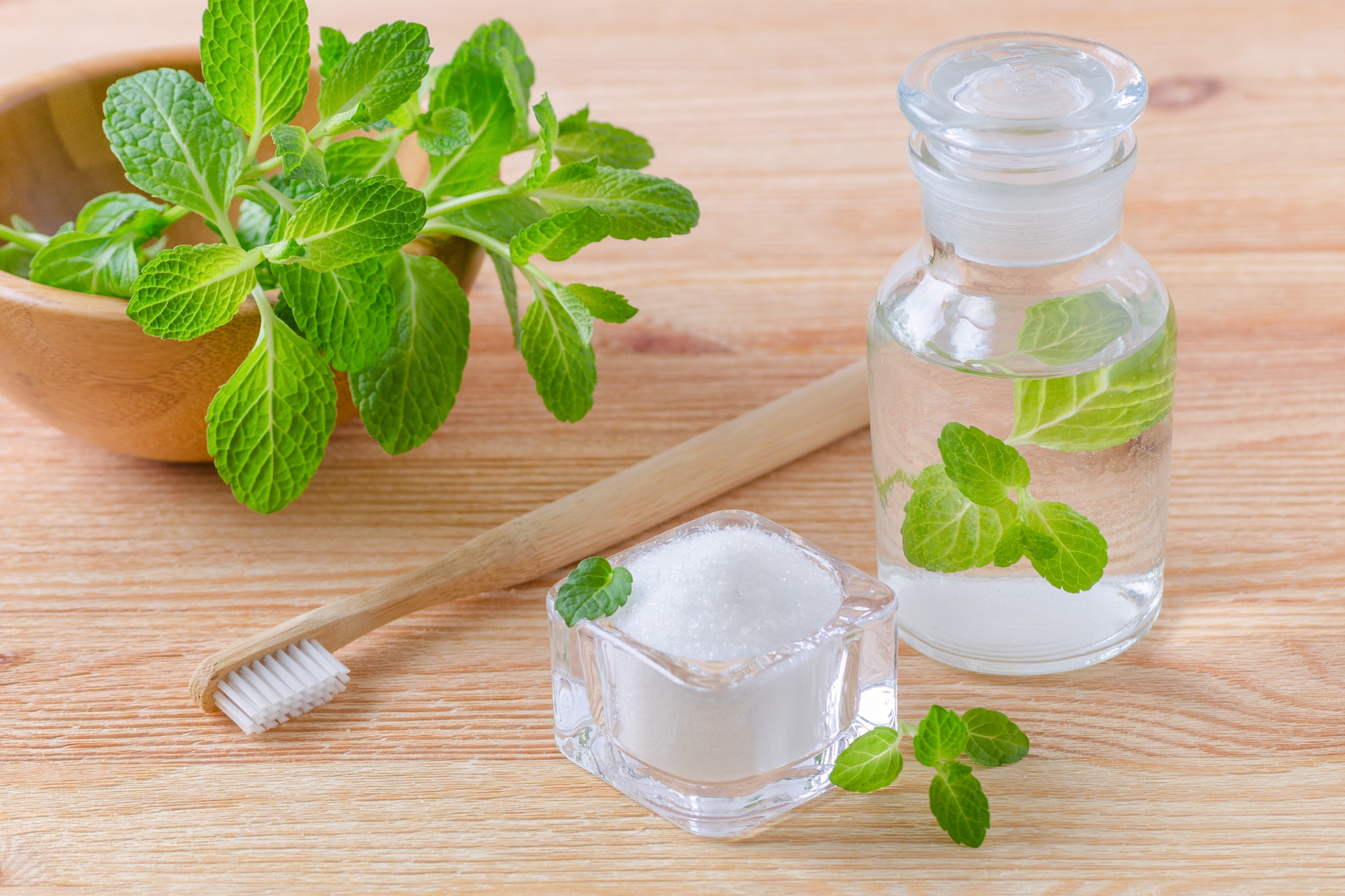
What Minerals are in Your Toothpaste?
Wouldn’t it be great if there were such a thing as vitamin toothpaste? You could slather it on your teeth each night before bed, and know your teeth were getting all the nutritional goodness they needed to fight off cavities. You’d never have to eat vegetables again! That’s not going to happen – you do need to eat your vegetables. Minerals can be found in your toothpaste, and they’re there for good reason. Calcium and phosphorous (in the form of phosphate), along with fluoride, are included in toothpaste because they play a key role in keeping your teeth from becoming soft and yucky, which makes it easy for cavities to form. Here are few of the mineral you can find in toothpaste.
Fluoride
This mineral is key to fighting tooth decay. Fluorida makes the enamel of your teeth harder and more resistant to acid wear. To make sure your toothpaste contains fluoride, check the list of active ingredients for sodium fluoride, sodium monofluorophosphate or stannous fluoride. Only these three forms of fluoride are recognized by the Food and Drug Administration for cavity prevention. And a little fluoride goes a long way: Most toothpastes contain only 0.15% fluoride ion, or 1500 parts per million.
Glycerol
This ingredient keeps toothpaste from drying out, gives it a consistent texture and helps it glide smoothly from the tube. Although it can go by multiple names — glycerol, glycerin or glycerine — it’s all the same molecule. When it’s not used in toothpaste, glycerol can also be added to processed foods such as yogurt, pre-cooked rice and peanut butter.
Sorbitol
Sorbitol plays two parts: Along with glycerol, it helps hold the toothpaste together, and it’s also a sweetening agent. Saccharin is another common sweetener. Unlike sugar, however, sorbitol does not cause cavities. It can also be used as a sugar substitute for people with diabetes.
Calcium carbonate
This common abrasive helps remove plaque, debris and surface stains. Abrasives, combined with the scrubing motion of your toothbrush, clean the surface of your tooth. They’re the reason your teeth feel so smooth and clean after brushing. They can also help make your smile whiter!
Besides calcium carbonate, other types of abrasives in toothpaste include dehydrated silica gels, hydrated aluminum oxides, magnesium carbonate, phosphate salts and silicates. These abrasives are rough enough to get the plaque off, but gentle enough to avoid damage to your enamel.
Sodium lauryl sulfate
This ingredient is a detergent, creating a bubbly foam like in soap and shampoo. Sodium lauryl sulfate can cause mouth irritation and cancer sores. If you suffer from frequent mouth sores and you suspect your toothpaste might be the cause, look for an SLS-free alternative.
Related Posts

Do Porcelain Crowns Stain?
What is Done During a Root Canal?
What are Dental Implant Restorations?